
- Artists
- Skarma Sonam Tashi
Skarma Sonam Tashi
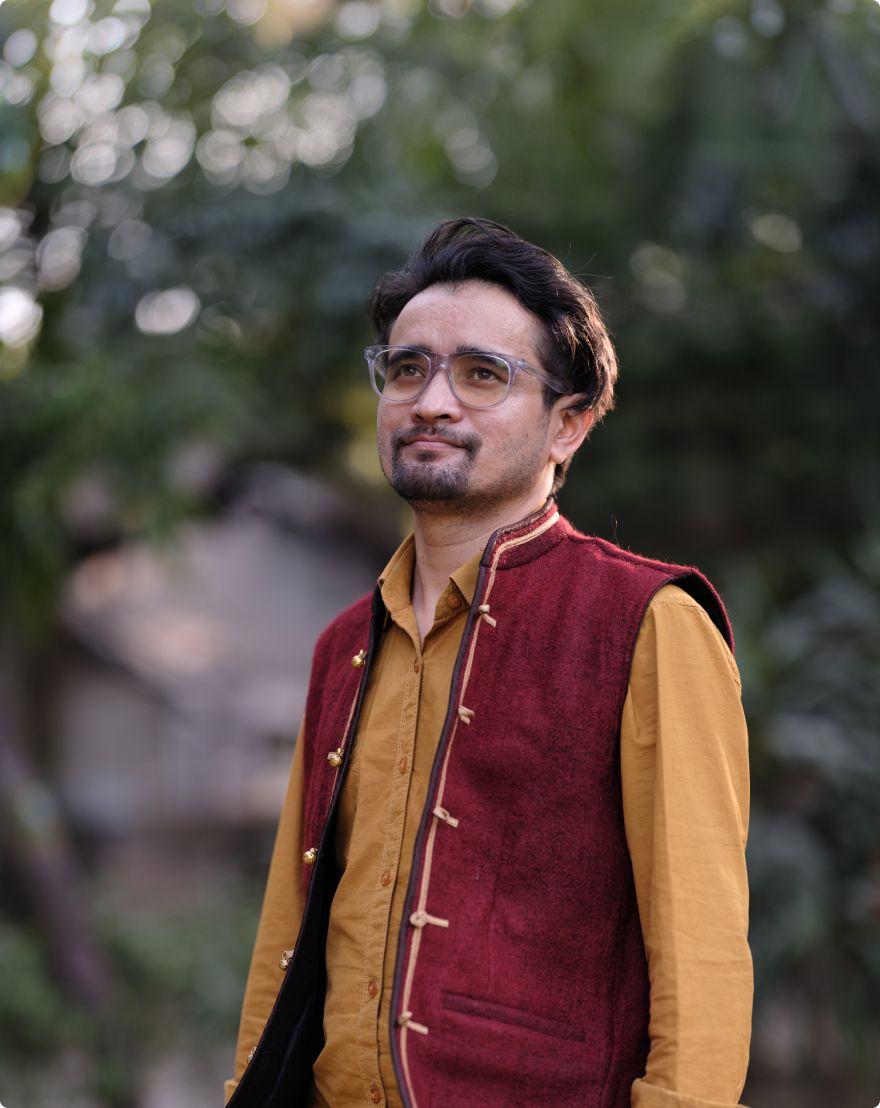
Born
1997, Sapi, Ladakh
Based in
New Delhi / Ladakh
Practice & Materials
Installations using papier-mâché, cardboard, clay, and recycled materials
Key Themes
Memory, landscape, fragility, ecological balance, vernacular architecture
Skarma Sonam Tashi’s work draws from the landscapes and built forms of his native place, Ladakh. Using repurposed materials such as papier-mâché, cardboard, clay, and egg trays, he develops sculptural installations that echo mountains, glaciers, and vernacular architecture. By transforming discarded materials into large-scale yet fragile structures, he reflects on environmental precarity and the need to sustain fragile ecosystems and ways of living rooted in the region, shaped by climate, terrain, and eco-friendly approaches.
Featured work
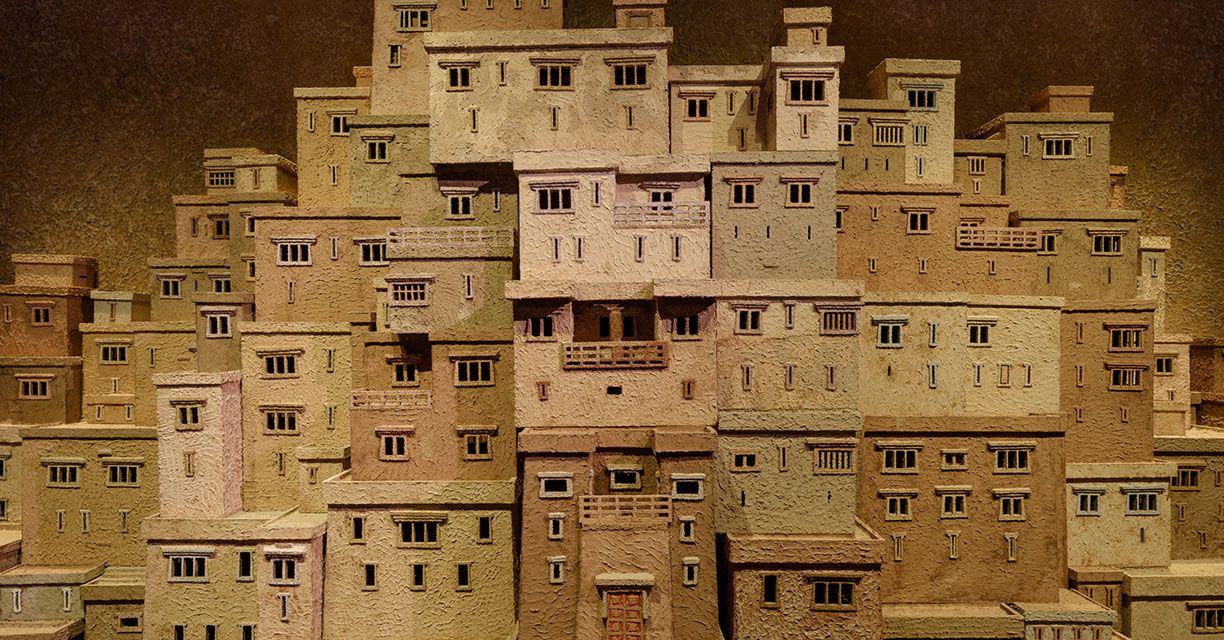
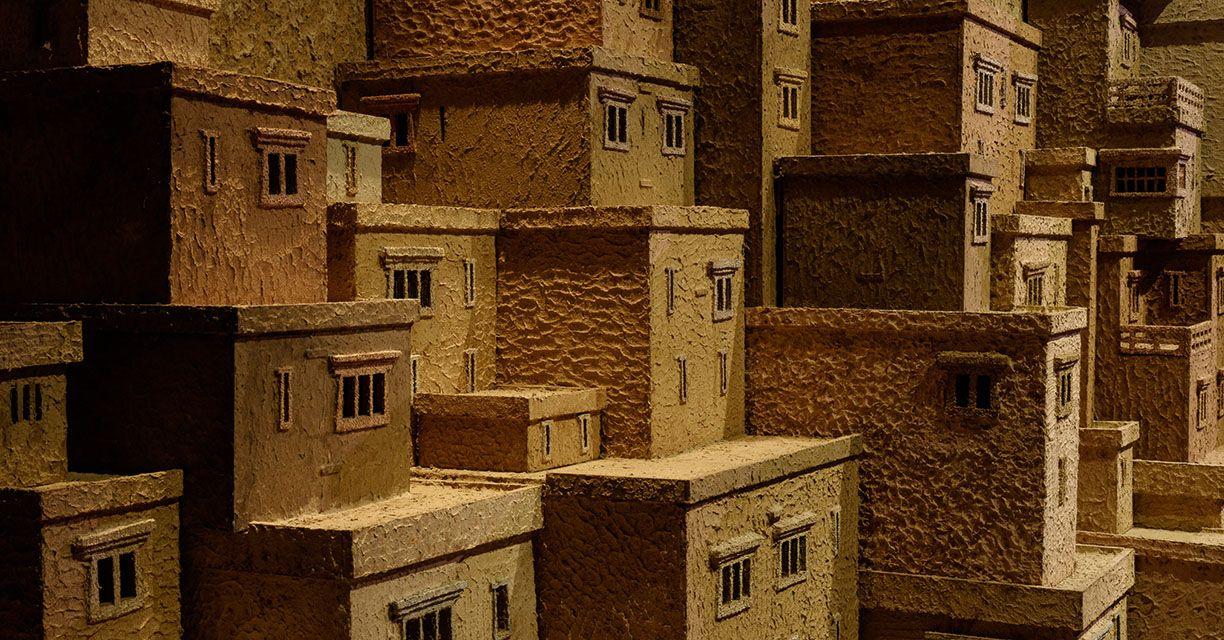
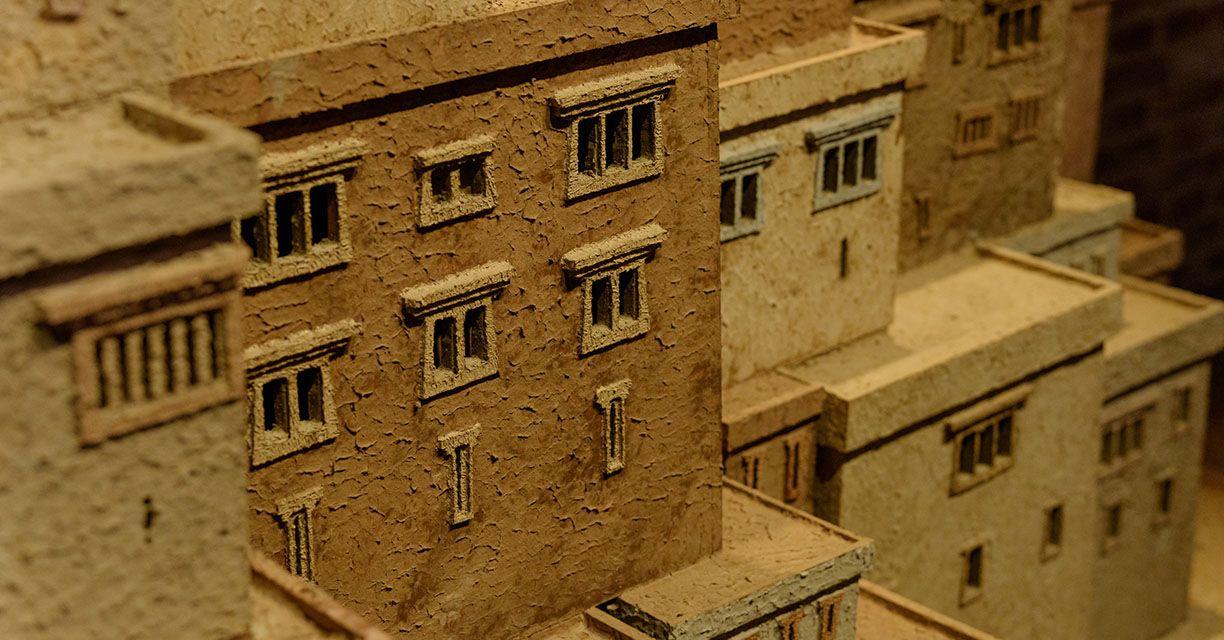
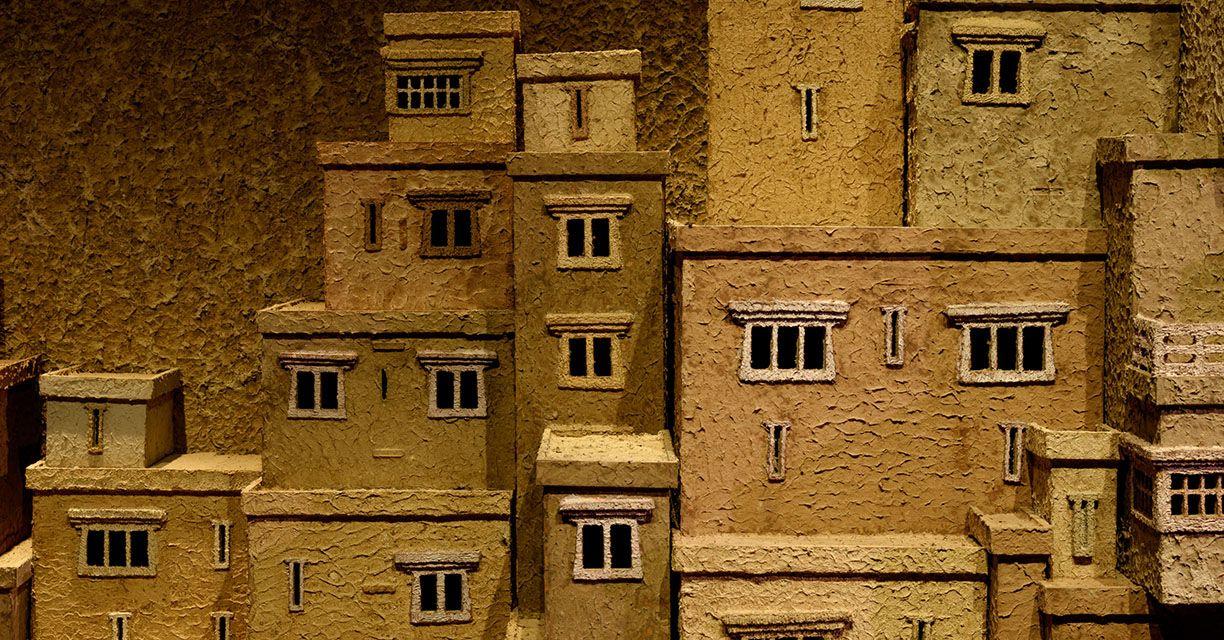
Echoes of Home, 2026
Papier-mâché, clay, and MDF board
Positioned on the mezzanine like a settlement on a mountain slope, this installation evokes the vernacular architecture of the artist's native place, Ladakh, with earth-walled homes shaped by climate, community, and generations of accumulated building knowledge. Constructed from recycled cardboard, papier-mâché, and clay pigmented with natural binders, the structures mirror the vulnerability of traditional Ladakhi ways of life under pressure from urban migration and modern construction in steel, concrete, and industrially produced materials.
Note from
Skarma Sonam Tashi
“For the India Pavilion at the 61st International Art Exhibition - La Biennale di Venezia, I have created an installation which is titled ‘Echoes of Home’ that reflects my relationship with my homeland, Ladakh. The work draws on traditional Ladakhi houses, which are built using earth, stone, timber, and collective knowledge passed down through generations. The work is constructed from recycled cardboard, papier-mâché, and clay, which appears on the mezzanine like a settlement resting on a mountain slope.
Recreating Ladakhi houses in papier-mâché allows me to translate the wisdom of building architecture in harmony with nature into a contemporary visual language. Traditional Ladakhi homes are climate-intelligent structures designed to trap warmth in winter and cool in summer.
Both Himalayan landscapes and Venice exist in constant negotiation with environmental forces. In Ladakh, glaciers and water cycles determine life; in Venice, tides and erosion do the same. Both places rely on human adaptation rather than control. Climate change intensifies these vulnerabilities, making sustainability an urgent concern. What connects them is fragility, not as weakness, but as a condition that demands care. By bringing Ladakhi domestic forms into Venice, I highlight this shared sensitivity. The work becomes a meeting point between two geographies that remind us how deeply human survival is tied to environmental balance.”
from the Pavilion
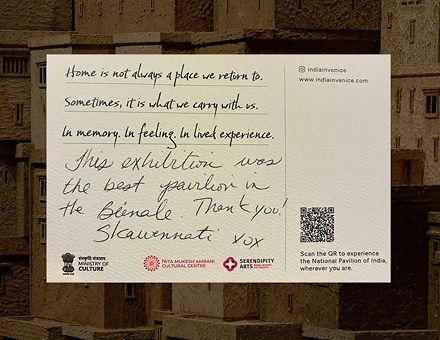
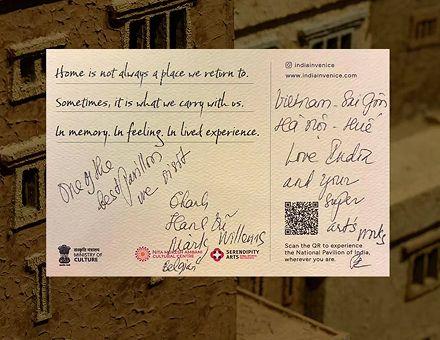


Learn more about the curator’s perspective and the artist’s reflections

Artist biography
Education
- Bachelor of Fine Arts at the Institute of Music and Fine Arts, Jammu in 2019
- Master of Fine Arts from Kala Bhavana, Visva-Bharati University, Santiniketan in 2021
Awards & Grants
- Lalit Kala Akademi Scholarship for 2021-2022
- Space118 Fine Art Grant for 2024–25
Solo Exhibitions
- 64th National Exhibition of Art
- 63rd National Exhibition of Art held by Lalit Kala Akademi, New Delhi
- National Crafts Museum, New Delhi
Residencies / Participation
- Sa Ladakh land art exhibition in Leh, Ladakh in 2023
